£0
Free, with help for travel, lunch and childcare

Free technical and employability training for people who face barriers to learning tech skills. Start from zero, learn part-time with a community of tech professionals, and get support to find a job.
New to computers? Try our Basic Online Skills course
Free, with help for travel, lunch and childcare
of Trainees start with little or no coding experience
people have started tech careers with us
Many people applying to CodeYourFuture feel nervous or unsure about whether they can succeed in tech. The good news? The majority of CYF developers have landed great jobs after completing our courses.
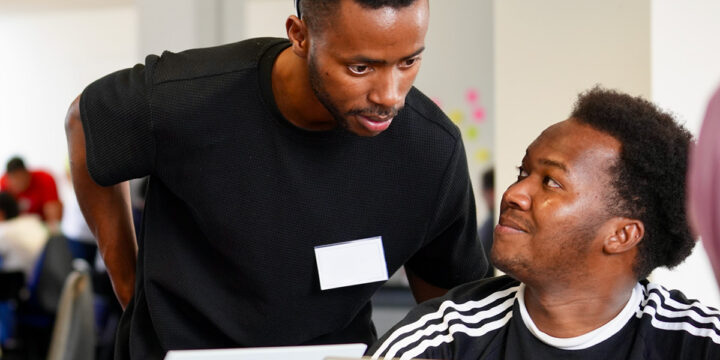
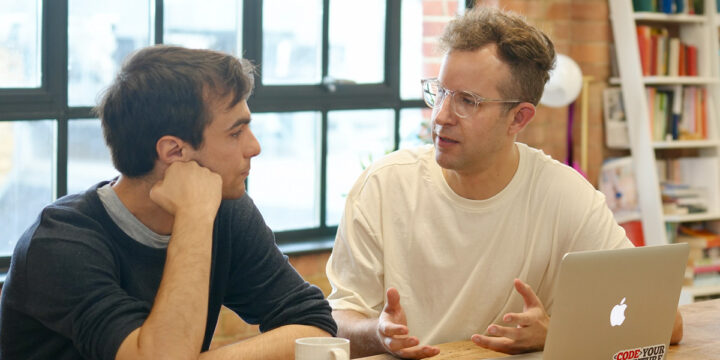
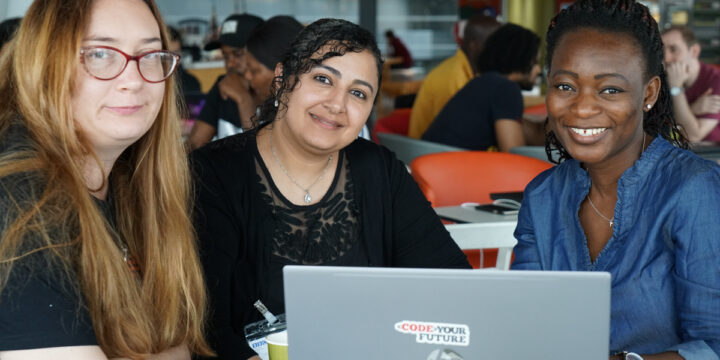
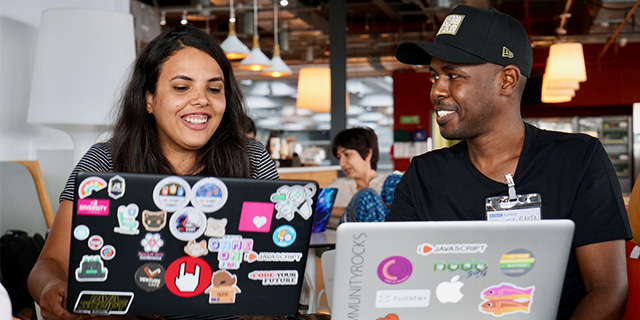
Below are examples of the groups of people who have started tech careers after graduating CYF:
And many others – we have helped 300 people start tech careers.
If you face barriers to getting the skills you need to change your future, CodeYourFuture’s free training and employment support was created for you.
28 hours a week, part-time: an 8-hour class on Saturday and 20 hours of self-study in the week.
All courses are free and part-time. From Intro to Programming, we pay for transport, lunch and childcare on class days, help with home internet, and can lend you a laptop.
Tech professionals write and teach the courses. You learn the technical and teamwork skills local employers look for, by building real projects.
A community of Volunteers helps you from your first day: pair programming, code review, a career mentor, CV reviews and mock interviews.
Five courses, one after the other. Everyone starts with Intro to Digital, and finishing a course opens the next one. You cannot skip a course, but you can finish some faster. Pick a course to learn more.
Meet the world of tech. Perfect for complete beginners: study online at your own pace, with optional workshops in person on Saturdays and online on Wednesday evenings.
Intro to Digital runs in February, April, June, September and November, from the 1st to the 28th of the month, so the earlier you join, the more time you have. If you can’t complete all the steps by the 28th, you can try again when it reopens.
Not confident with a phone or laptop yet?
Try our free Basic Online Skills course.
To join Intro to Programming, we check that you:
You also take the Duolingo English Test (free, B2 level).
Programming with JavaScript, HTML and CSS. Work in a team to deliver working software with tests. 4 modules of 3 sprints each.
Not going further? Many graduates of this course find jobs as Business Analysts, IT Support, Testers or Front-end developers.
We cover transport, lunch and childcare on class days, and you can borrow a laptop.
In teams and on your own, build working software with tests, and explain your work to others. It decides who joins the Software Development Course. To join, pass a coding test.
A secure grounding in software: binary, logic, systems and problem solving, with the soft skills you need to work as a software engineer.
Teamwork, communication, problem-solving, adaptability and continuous learning.
Optional 6-week courses: demand-led specialisation towards junior and mid roles, such as Cloud, Containers, Java or SQL. See all tracks
In a cross-functional Agile team, develop and deliver a real product, then show it at a public Demo Day.
Being ready for a job: you leave with a real product you built in a team.
We cannot promise a job, but around 70% of Software Development Course graduates find one in tech. We work with hiring partners and keep supporting you until you get there.
See all courses and the full curriculum (opens in a new tab)
Not one of our coding courses, and you do not need it to apply. A free, short course in person for anyone who wants more confidence online first.
Build your confidence with the internet and your own phone, tablet or laptop, in a fun course of three sessions with homework.
Your own phone, tablet or laptop.
A certificate when you attend every session and finish the homework. When you feel ready, apply to Intro to Digital.
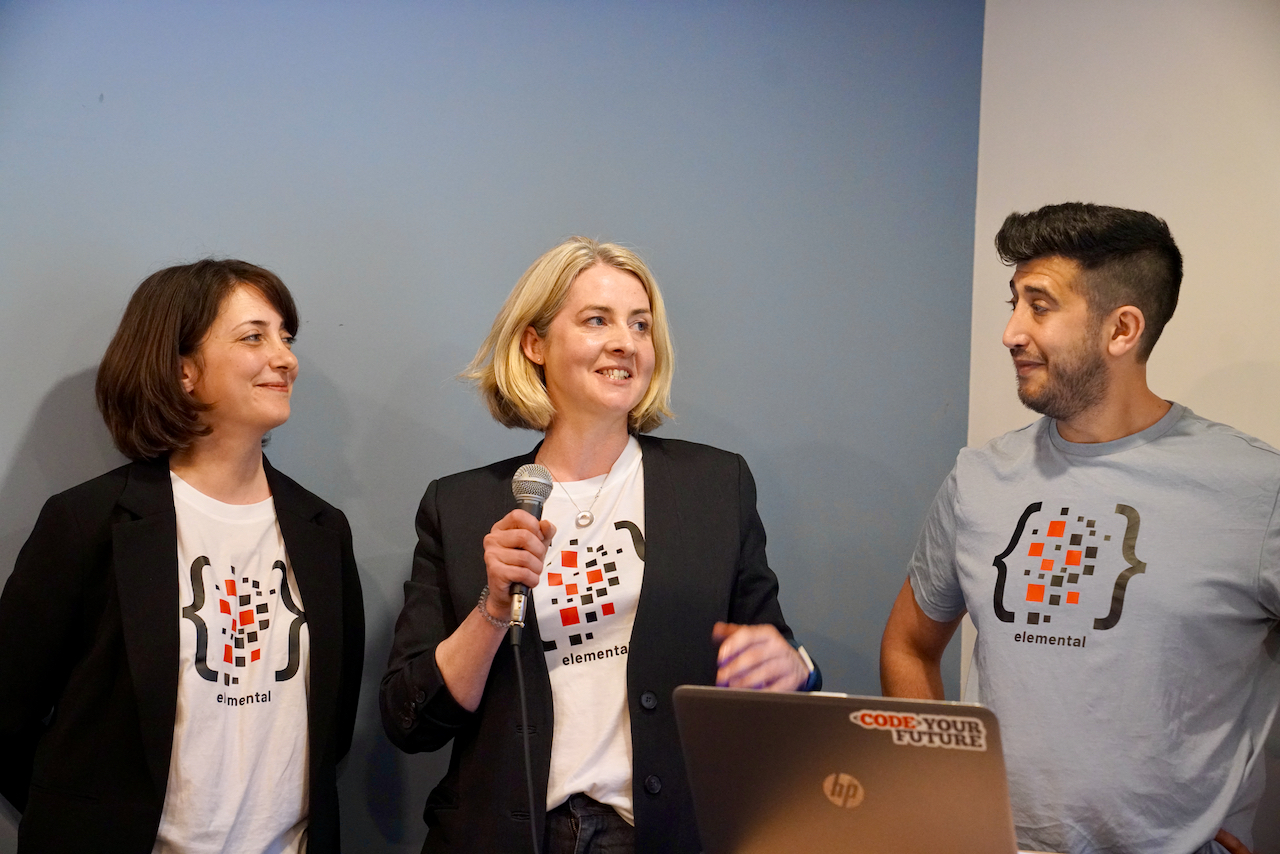
Donna found herself juggling single parenthood with a series of minimum wage jobs—working as a librarian, barista, teaching assistant, and parcel sorter. None of these…
Read story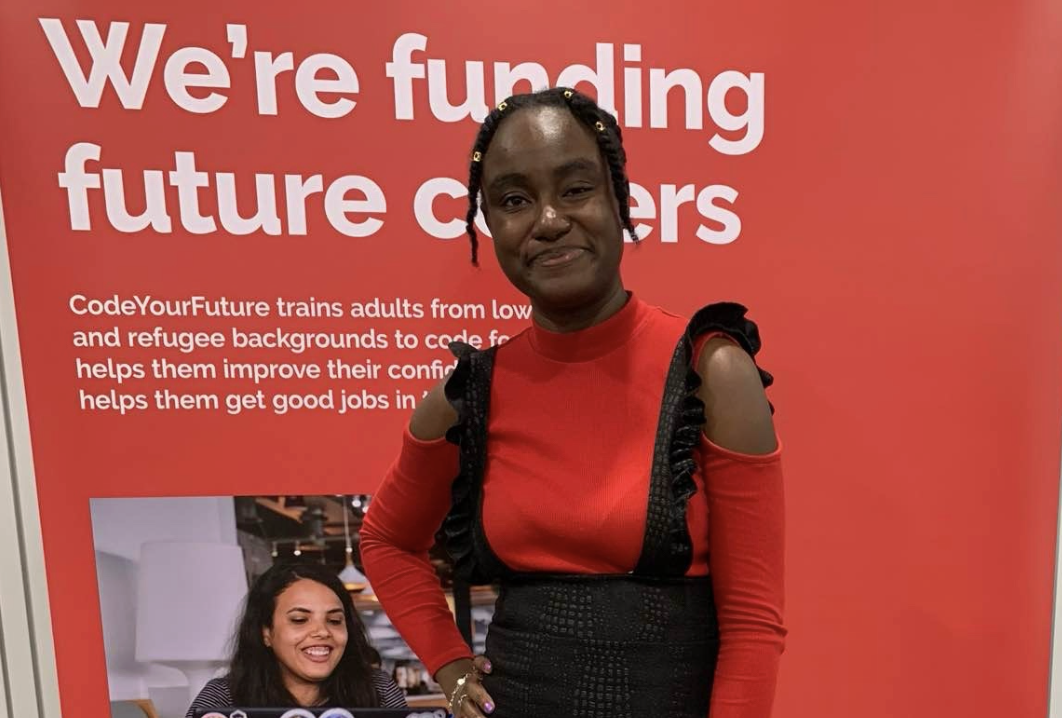
During her maternity leave, Andriana began exploring coding through online courses. “I wanted to find a career that gave me the opportunity to work hybrid…
Read story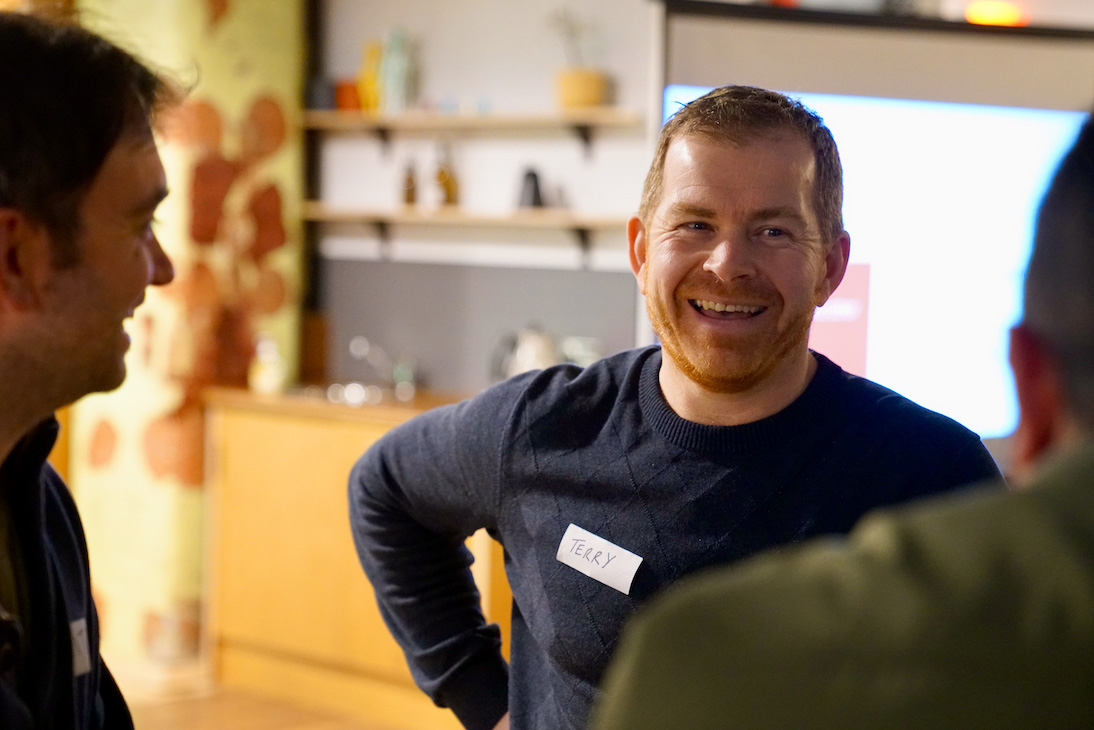
“You Can Learn Anything” – How Terry Went from Building Sites to Tech. When Terry had his knee replacement, it was a proper wake-up call.…
Read story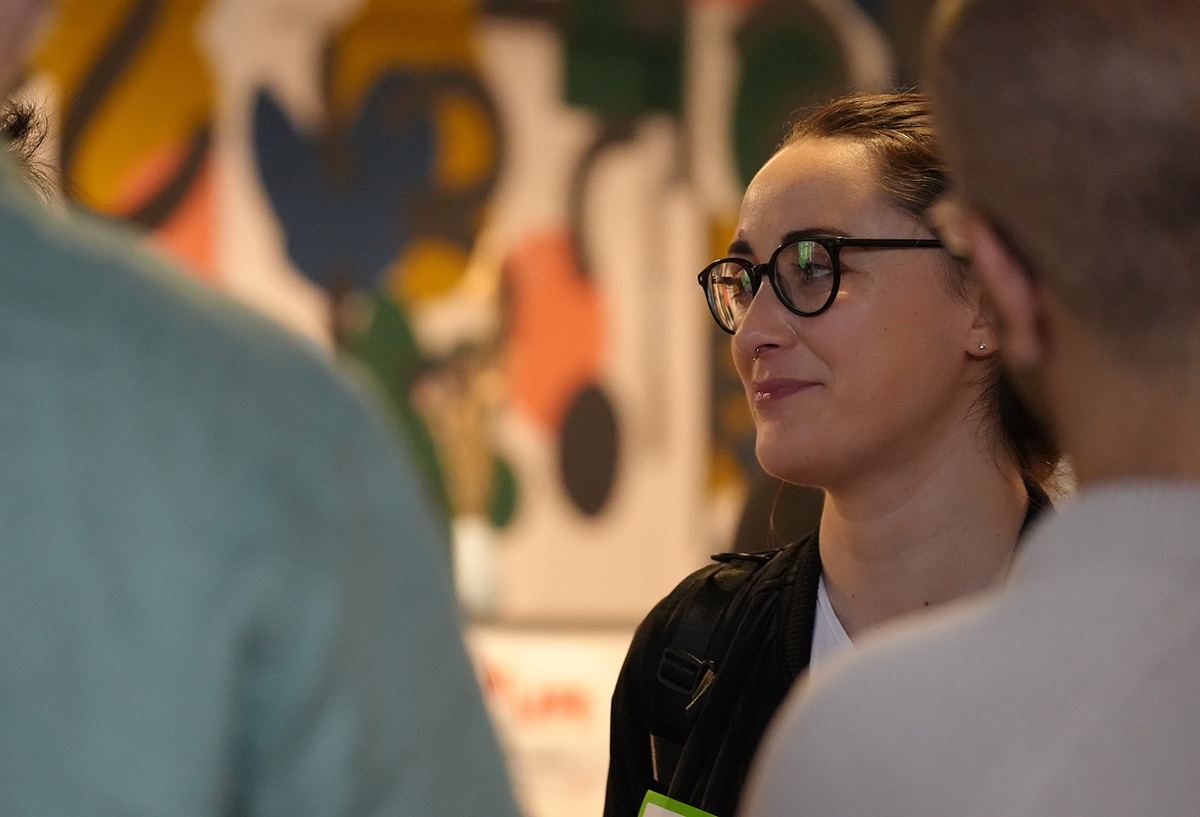
Before joining CodeYourFuture (CYF), Christina worked as a graphic designer, but had always been fascinated by coding and its creative potential. “I initially saw a…
Read story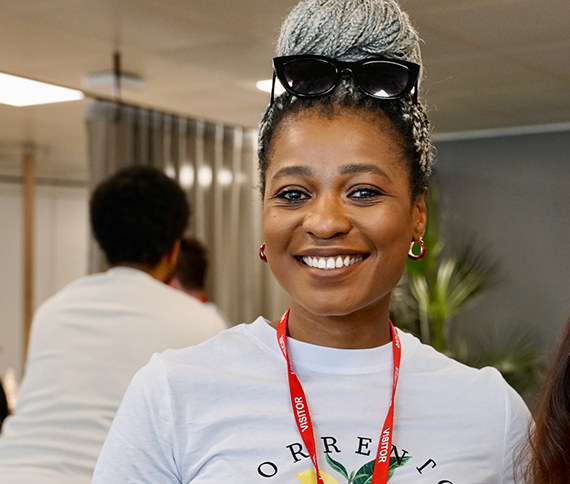
Before joining CodeYourFuture (CYF), Gayle found herself in a job with no room for growth or development. But she had a clear goal in mind…
Read story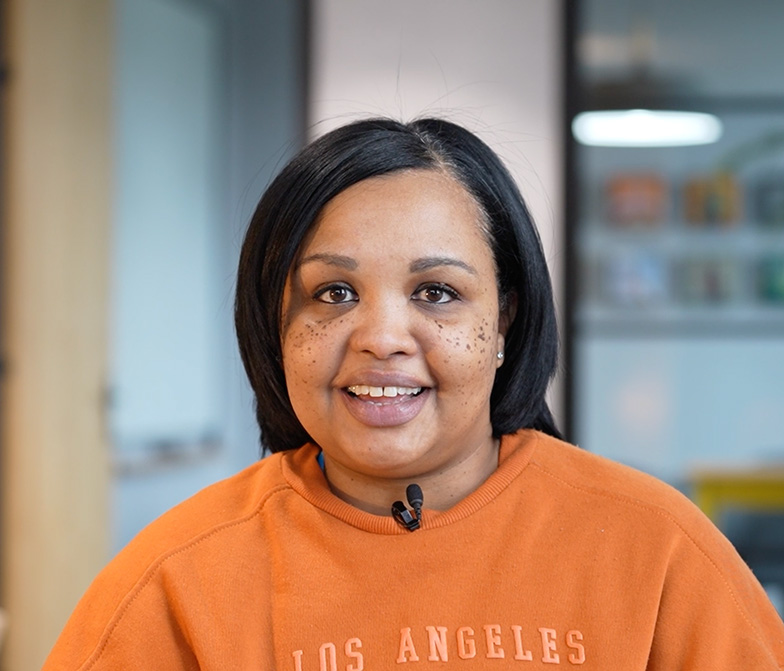
Tersia’s path to a career in tech is a story of perseverance and growth. “About 12 years back, I knew very little of how to…
Read story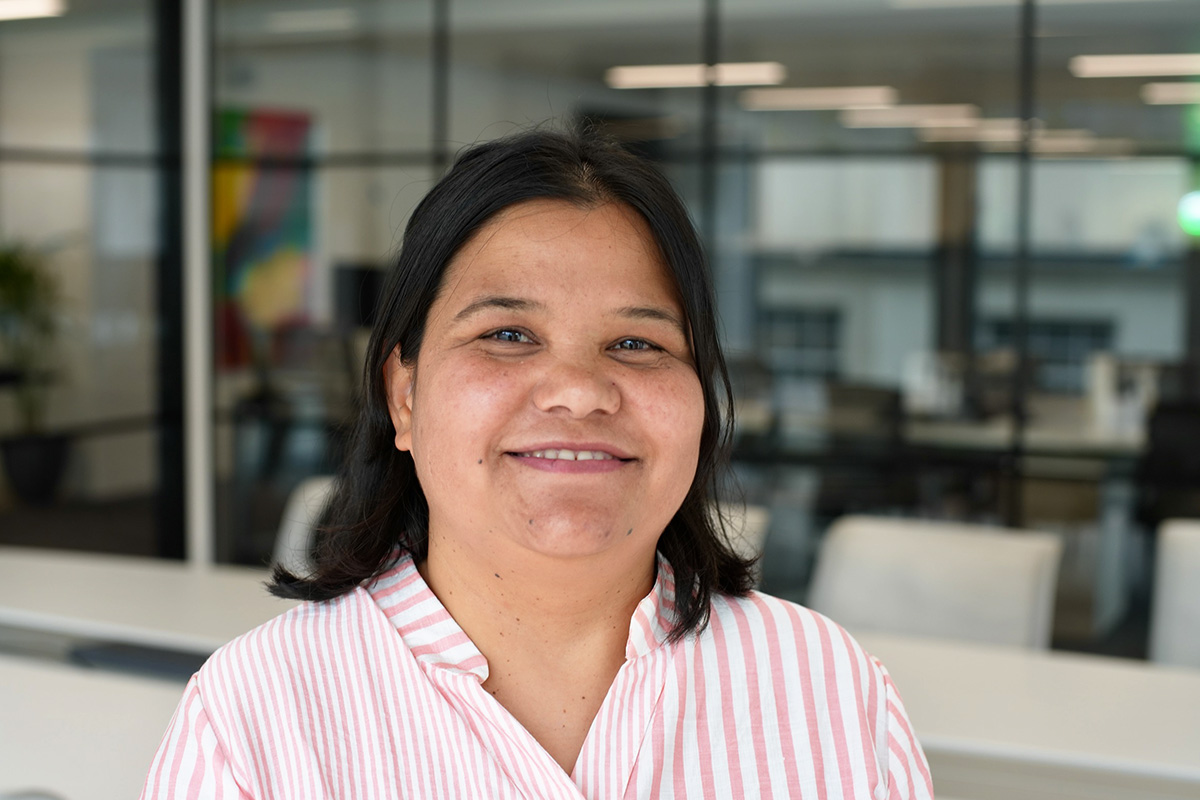
Junita works in IT, but this wasn’t always the case. After the Covid-19 pandemic, she was raising her one-year-old daughter full-time, having previously worked in…
Read story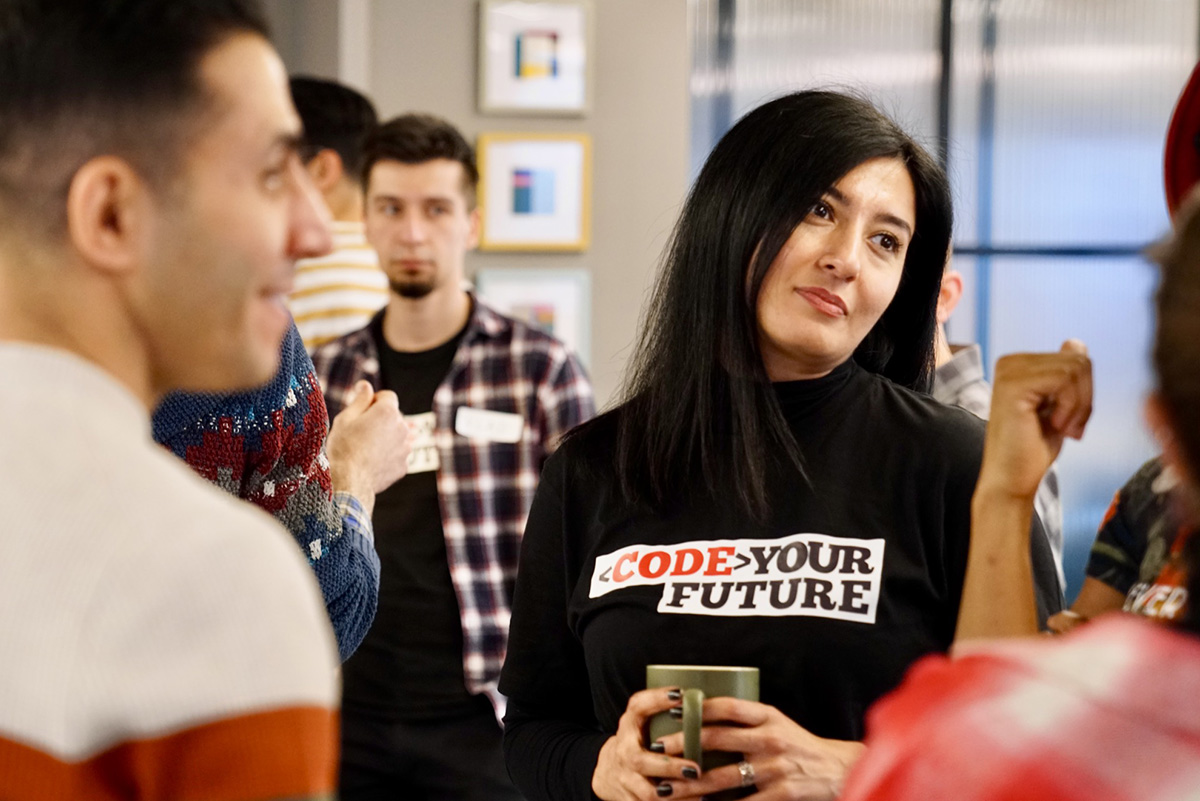
Negin’s path to tech wasn’t straightforward. As a former journalist in her home country, she arrived in the UK hoping to find rewarding work. However,…
Read story
Natalie’s world imploded while she was travelling through the UK. A tourist in one moment, a refugee the next, she was caught off guard by…
Read story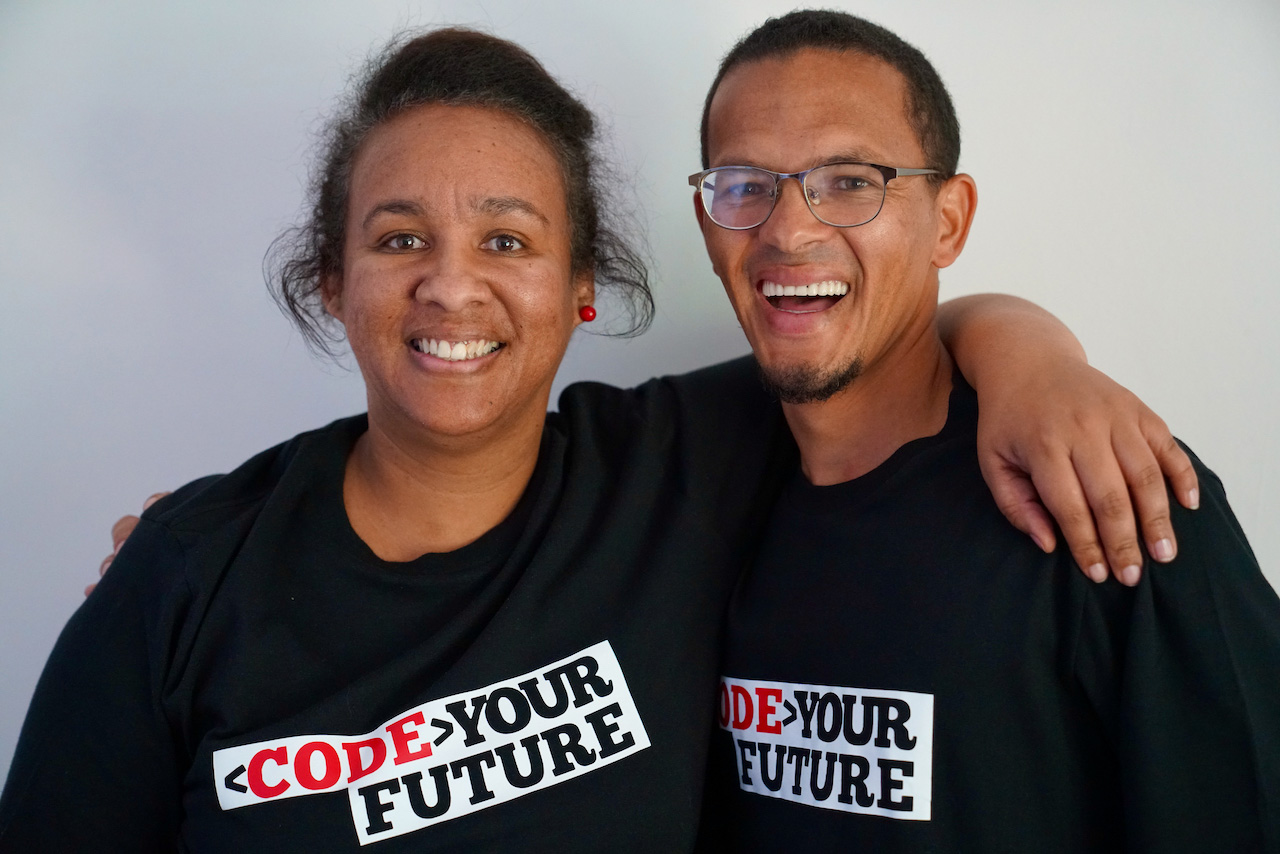
The path to a fulfilling career doesn’t always follow a straight line. For Chandré, it was a winding road – but one that led her…
Read story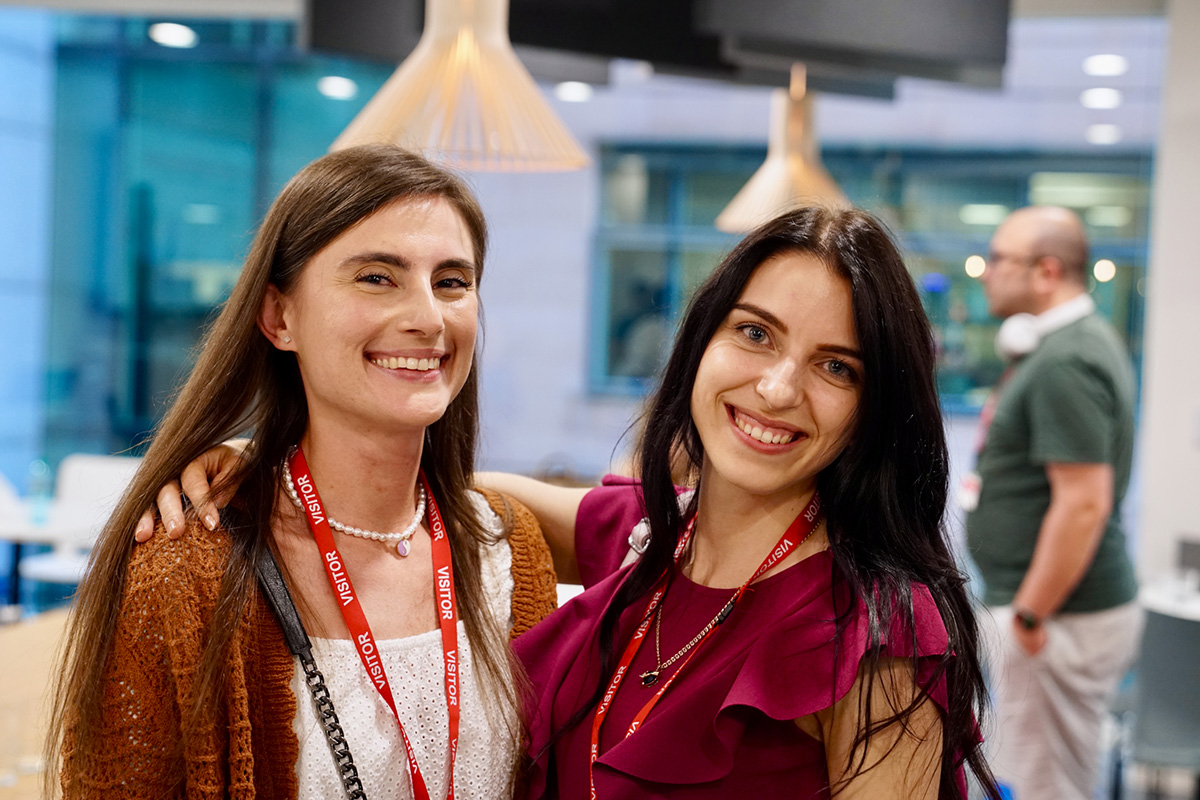
Vitalina’s path to becoming a software engineer started in Poland, where she worked as an Import/Export Manager for a charcoal company. She began learning Java…
Read story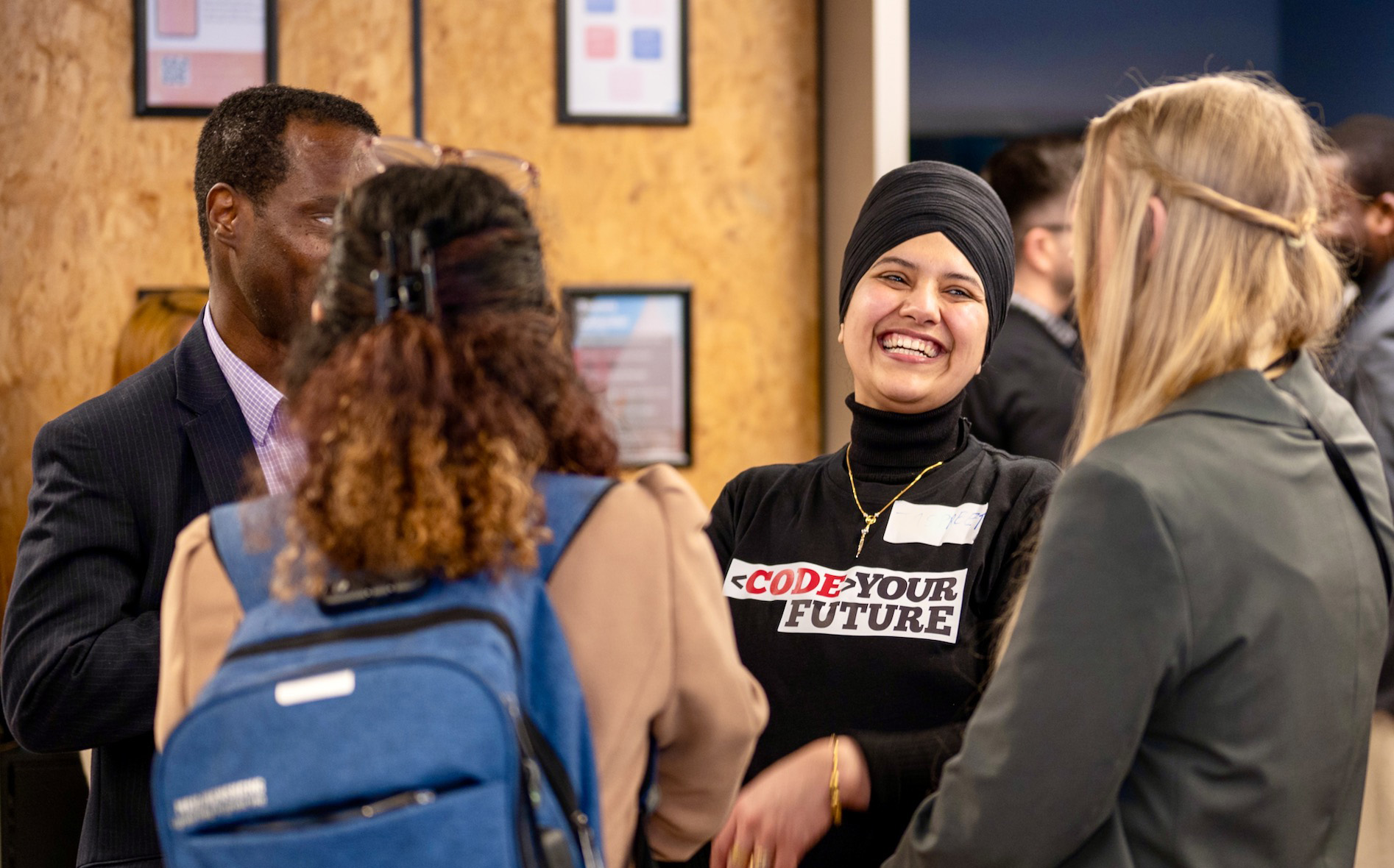
Jaspreet wasn’t happy with her job, and when a friend who had graduated from CodeYourFuture recommended the program, she decided to take a leap of…
Read story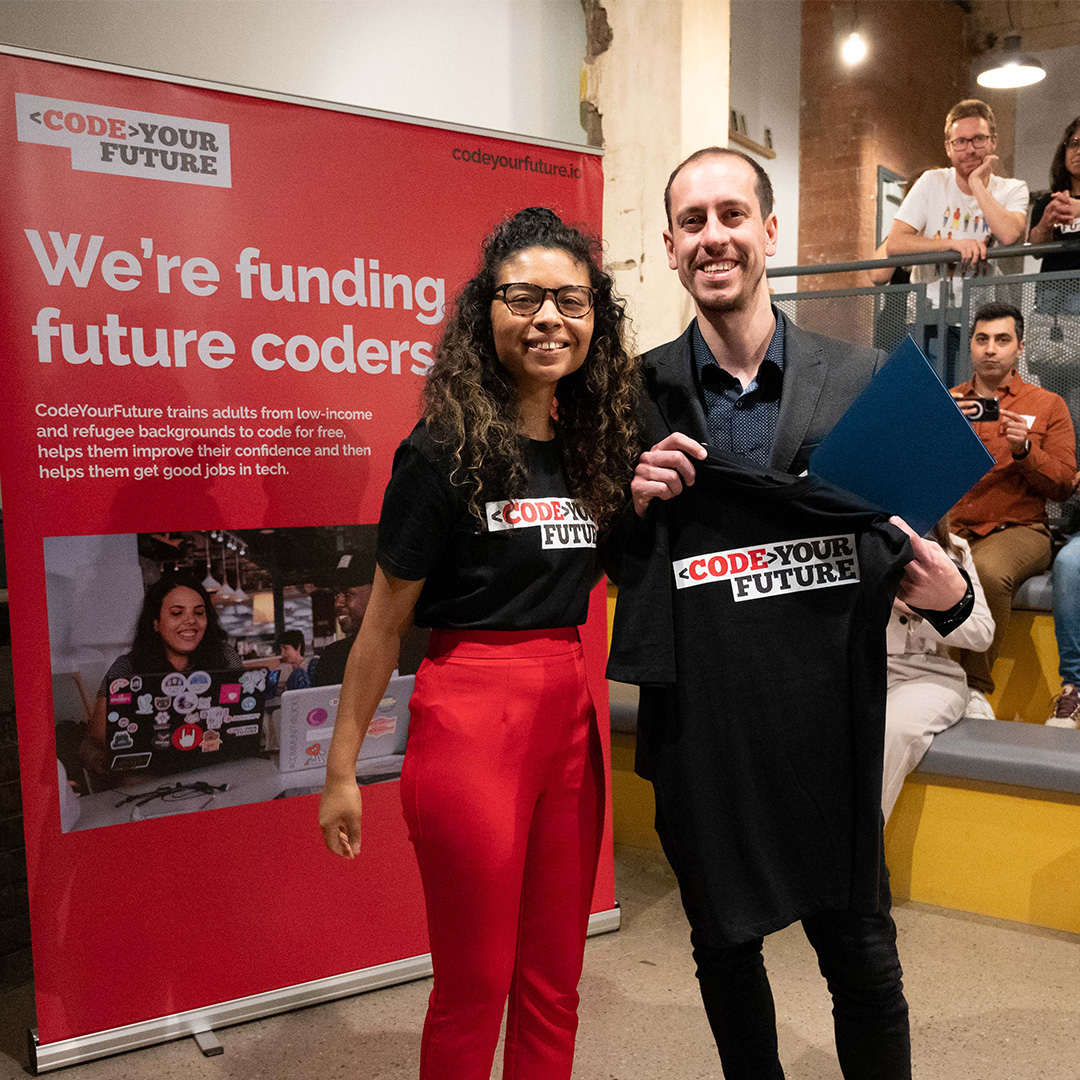
Facing barriers in the UK When Luan Murilo de Oliveira e Souza moved to Manchester from Brazil, he could barely speak English. “Many times, I…
Read story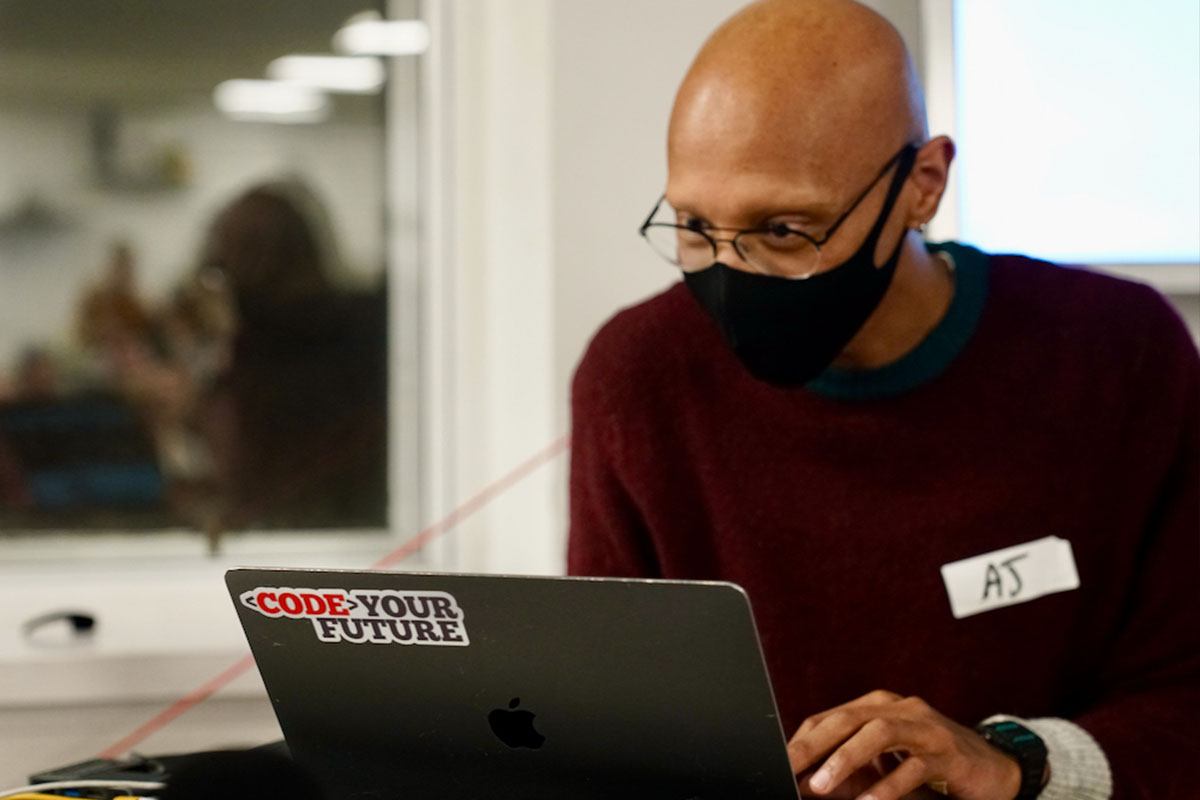
In 2020, while navigating the challenging asylum-seeking process in Scotland, Ahmed found himself in a difficult limbo, facing limited educational and work opportunities due to…
Read story
Discovering CYF and overcoming challenges. Anosh faced significant hurdles before joining CodeYourFuture (CYF), especially with immigration issues. “I felt the doors to a tech career…
Read story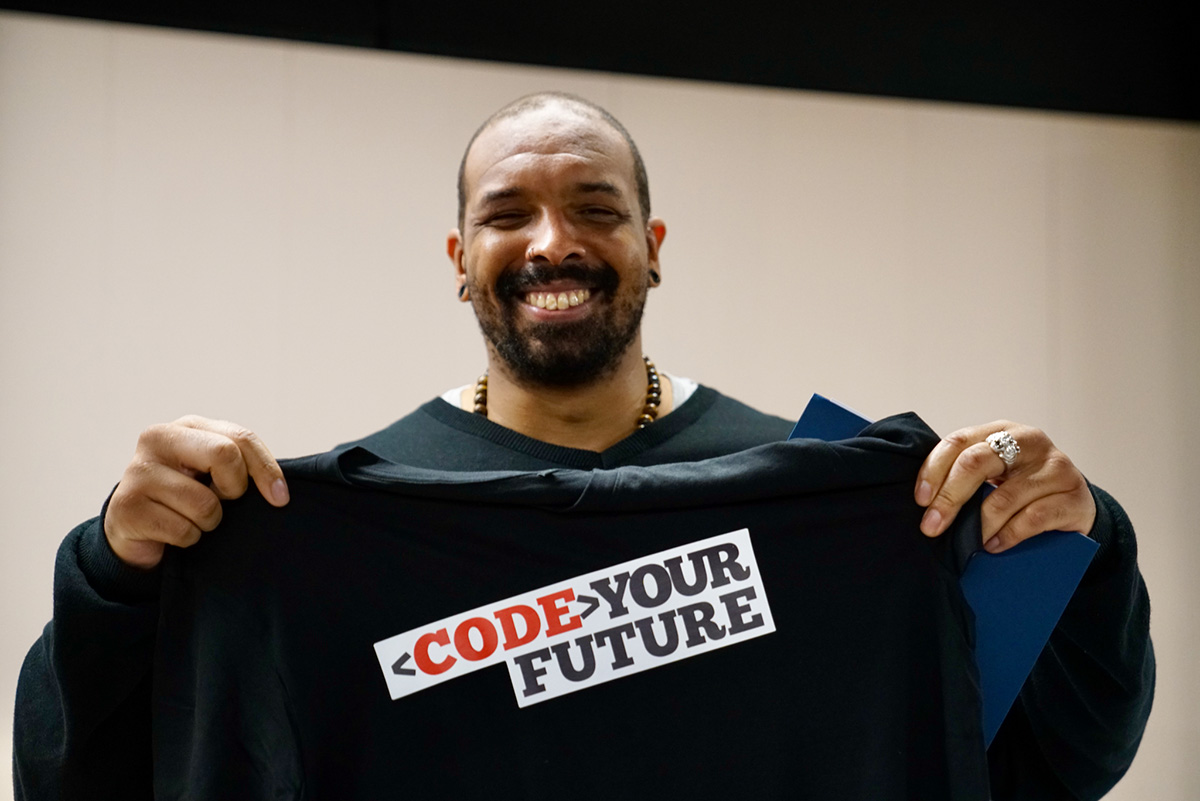
Personal challenges marked Deago’s time before CYF. He recalls, “I was on state welfare… losing the will to continue – everything began to feel pointless.”…
Read story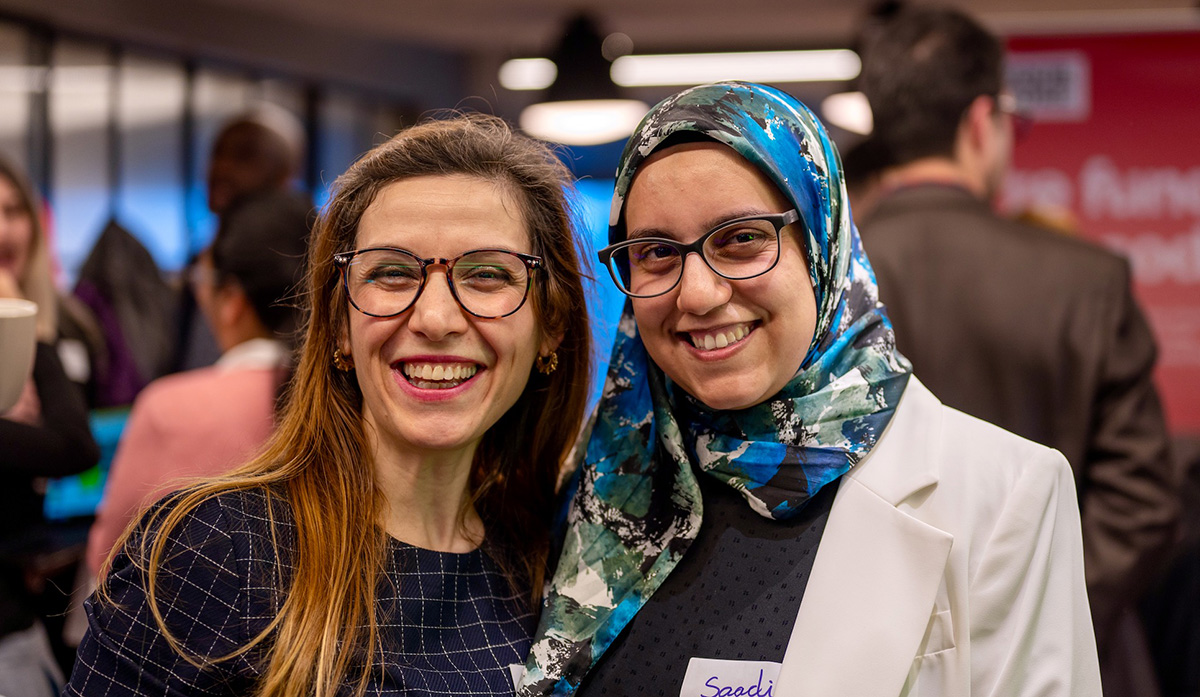
Three years ago, Saadia moved to the UK with a heart full of dreams. “I had a stable job back home, so I was confident…
Read story
A goal of changing careers Shawen was at a crossroads in his life when he discovered CodeYourFuture. He had been retrenched and was struggling to…
Read story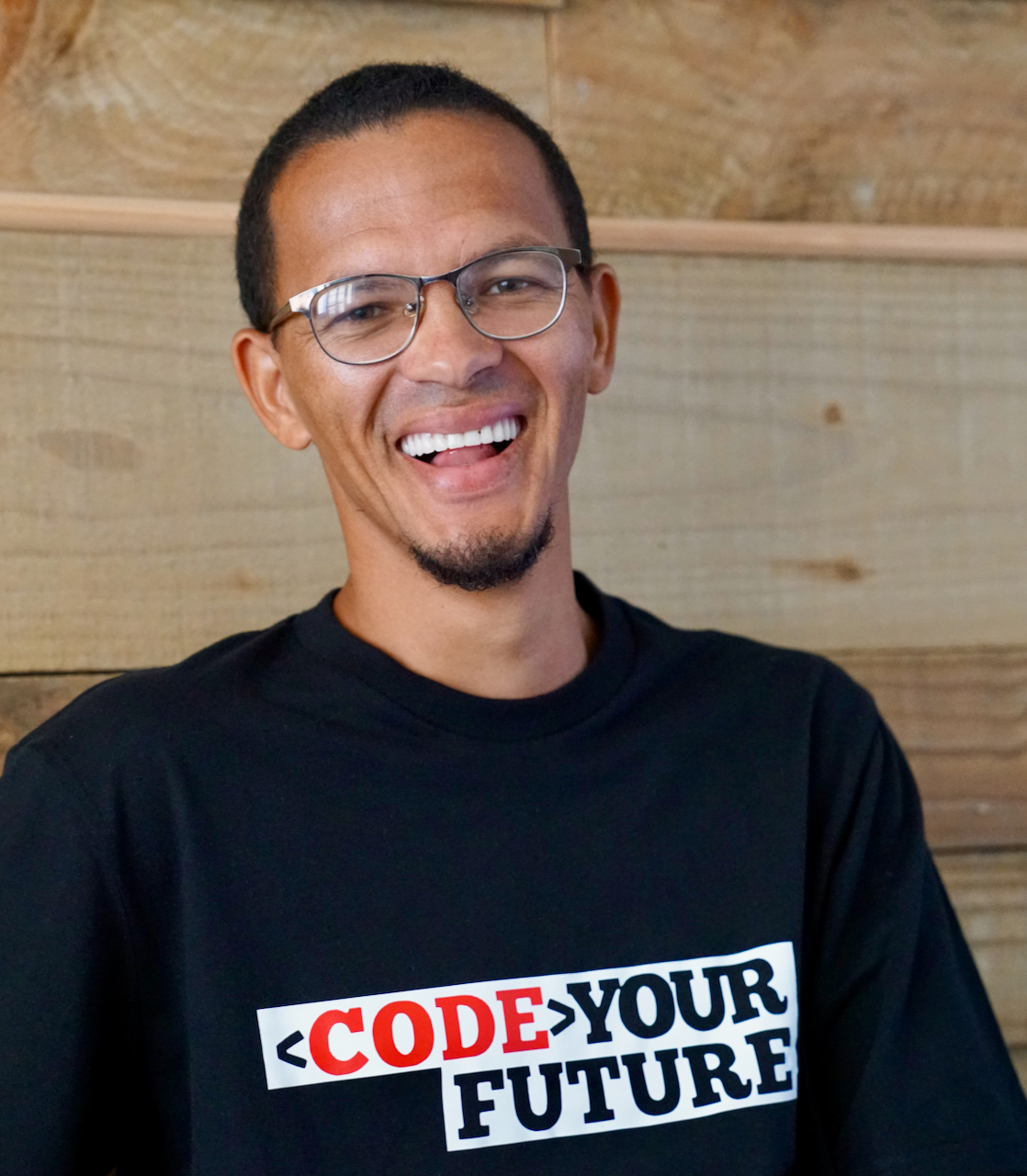
Ryno is a perfect example of the power of CodeYourFuture (CYF), and how it can help people from all walks of life. Coming from a…
Read story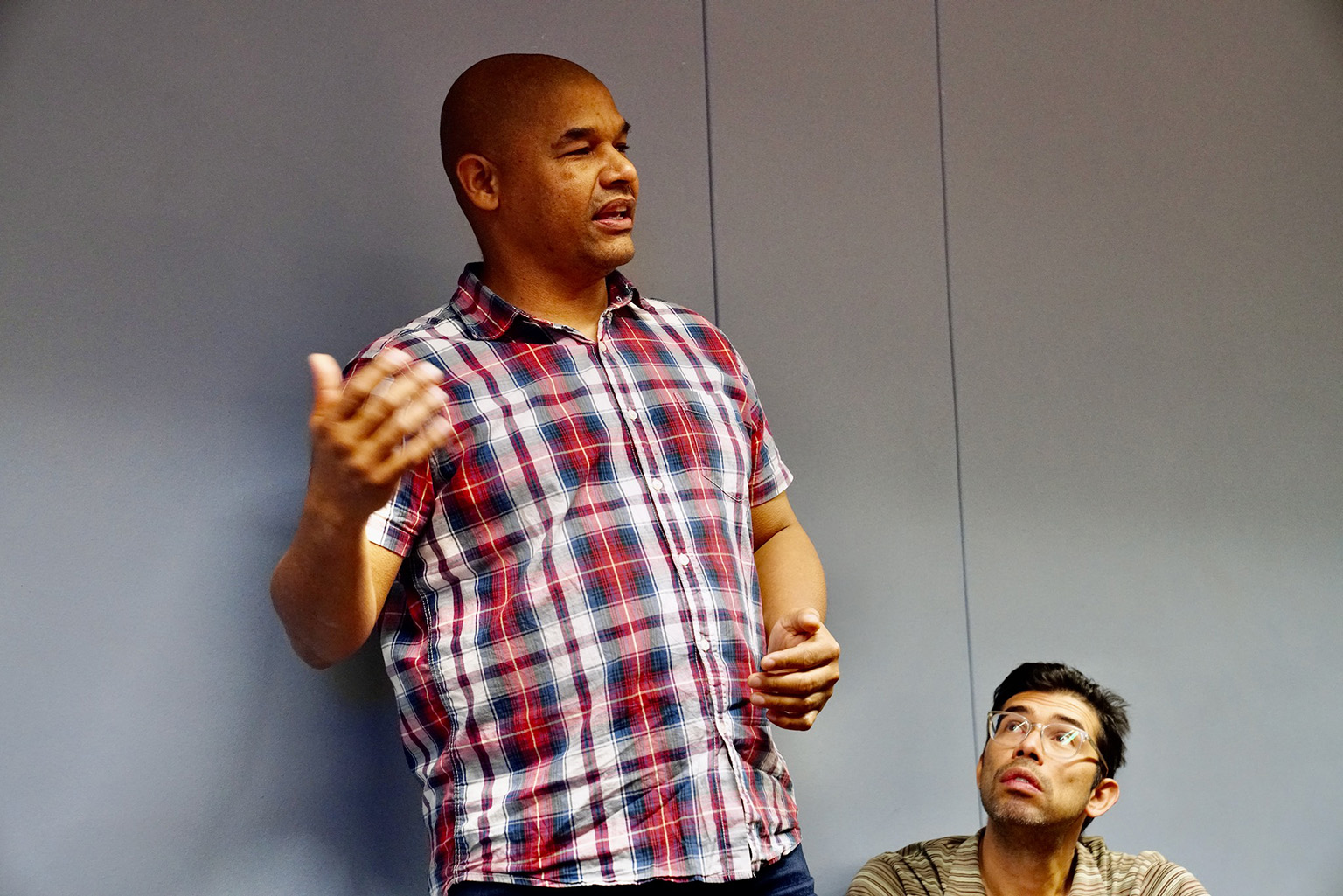
Before CodeYourFuture, Douglas worked in manual labour. “A typical day involved waking up at 5am to start work at 7am”, he says. “When covid hit…
Read story
Colette grew up in a poverty-stricken housing development in Linwood in the 1980s. The area was rundown and desolate – “It was not a healthy…
Read story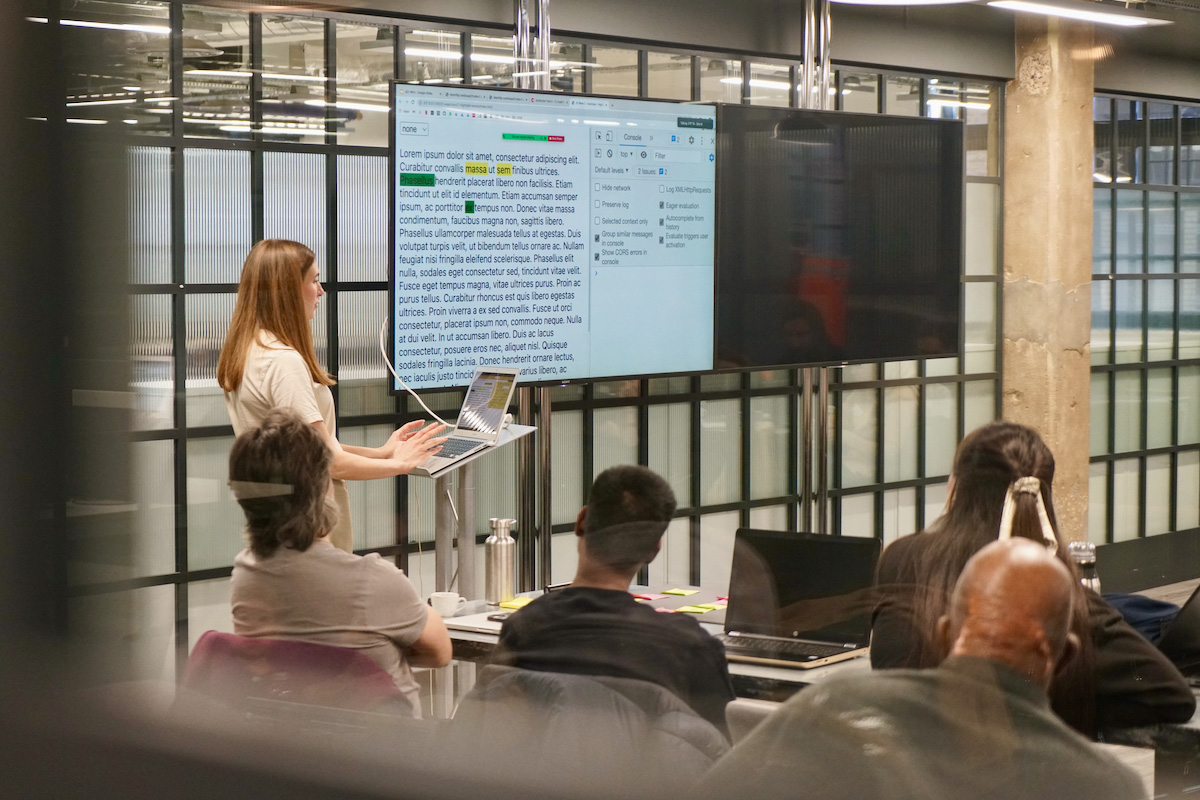
CodeYourFuture (CYF) trains refugees and people who have financial, social or other challenges in coding. The program is free and helps graduates secure meaningful work…
Read story
Mursel is a refugee. He was a lawyer before he came to the UK. When he arrived, he had no idea what to do. He…
Read story
Once Erick discovered that coding was behind websites and apps, he knew he wanted to be a coder. Erick discovered coding at The African Leadership…
Read story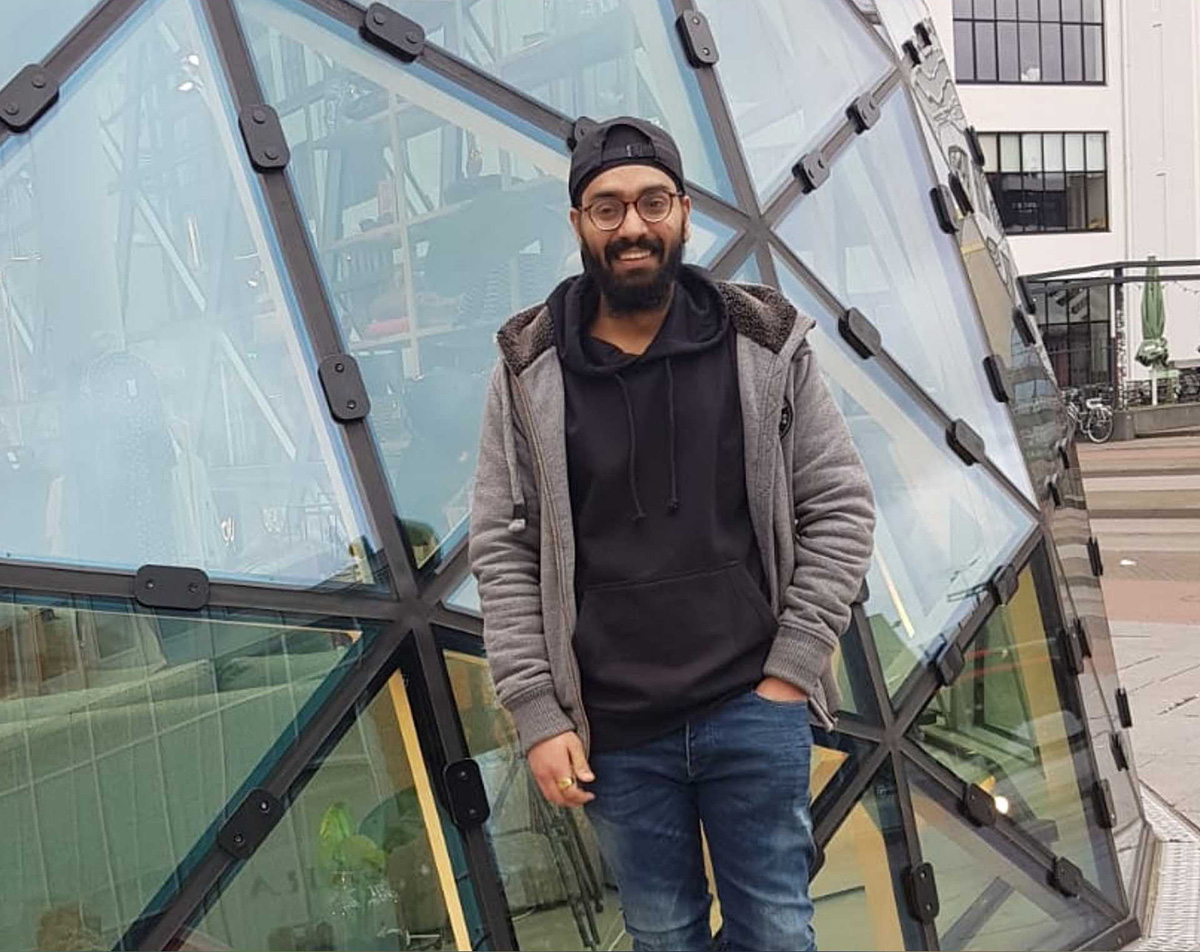
Davinder was an asylum seeker. He was an engineering student before coming to the UK, and he wanted to study once again. In his own…
Read story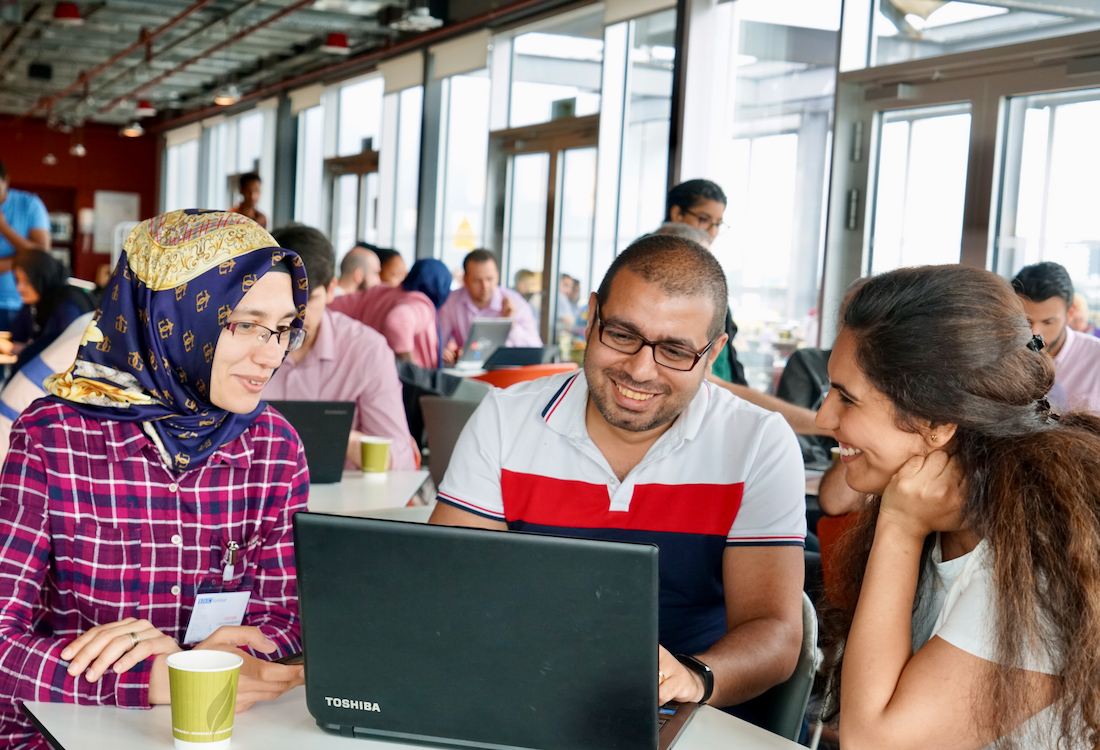
After completing a degree in Biology, Fatima struggled to find a decent job. She was unable to fund any further learning. Through her sister, she…
Read story
Deniz wanted to change her career, so she started searching for ways to learn how to code. When she found CodeYourFuture, the course seemed to…
Read story
Daniel had been out of work for nearly ten years struggling with mental health when he saw an advert for CodeYourFuture (CYF) in a local…
Read story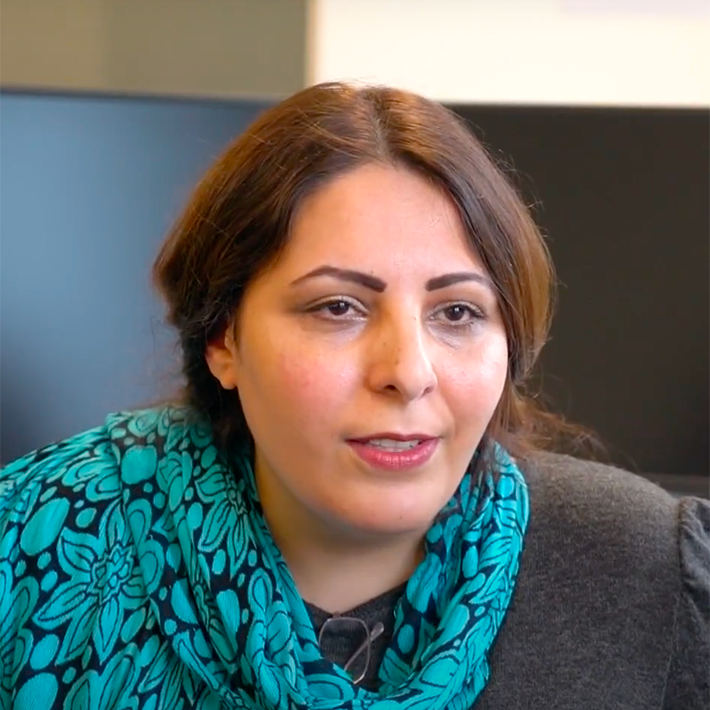
Mona, from Iran, found herself in a small town in the north of the UK where she spent five years with her husband and their…
Read story
This is Mohammed Mohammed came to the UK as a refugee from Sudan in 2015. Like others in a similar position, he tried to integrate…
Read story
Meet Abdoulrazack Somalia is a country destroyed by civil war and then by the occupation of Al-shabaab. I had been working as an Interpreter in…
Read story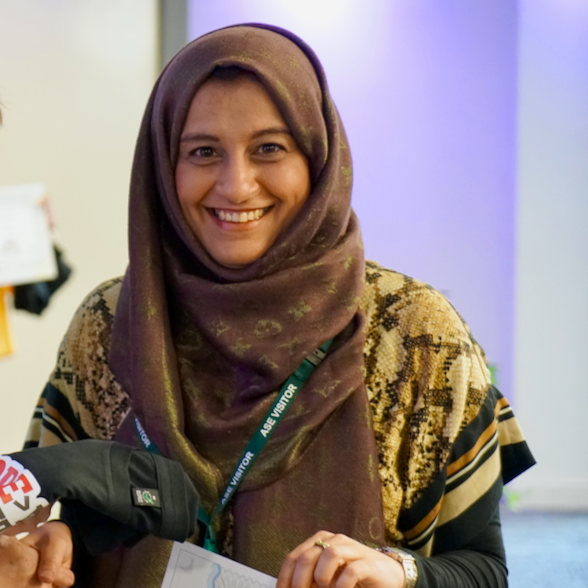
Meet Madiha Madiha originally comes from Pakistan. She came to live in the UK about 15 years ago. After years of juggling various jobs to…
Read story
Yohannes is a CodeYourFuture graduate, looking for his first tech job. Check out his GitHub here. I was born and brought up in Addis Ababa,…
Read storyThe most common questions are here. The Trainee FAQ answers everything else, from Slack to laptops.
No. Intro to Digital is designed for people who have never coded. Many of our graduates who had never coded before now have great jobs in tech.
Yes, all our courses are free. From Intro to Programming, we can also pay for:
These expenses don’t count as income if you claim benefits.
Yes. We are a DWP partner, and our courses are part-time, so you can keep looking for work or keep working. Let your job coach know when you reach Intro to Programming. You don’t need to be on benefits, and we welcome people with no recourse to public funds.
Yes. You can apply to Intro to Digital straight away. If you want more confidence first, try the Basic Online Skills course, three free sessions in person with the internet and your own device.
Intro to Digital opens five times a year: in February, April, June, September and November. You can join while it runs, until the 28th of the month. The other courses start when you finish the one before. See all dates for the year.
You need a computer for Intro to Digital. You can use one at a public library or a free online centre, or borrow one. When you join Intro to Programming, you can borrow a laptop from us for 12 months.
All courses are in English. Intro to Digital has no English requirement; its last step checks your level. To join Intro to Programming you need B2 level, tested with the official Duolingo English Test. We give you the test for free.
Intro to Digital is online, with optional workshops. From Intro to Programming, classes are in person on Saturdays from 10am to 5pm in one of our Regions, plus coursework in the week.
Free, online and at your own pace. It opens several times a year, and you can join while it runs.